
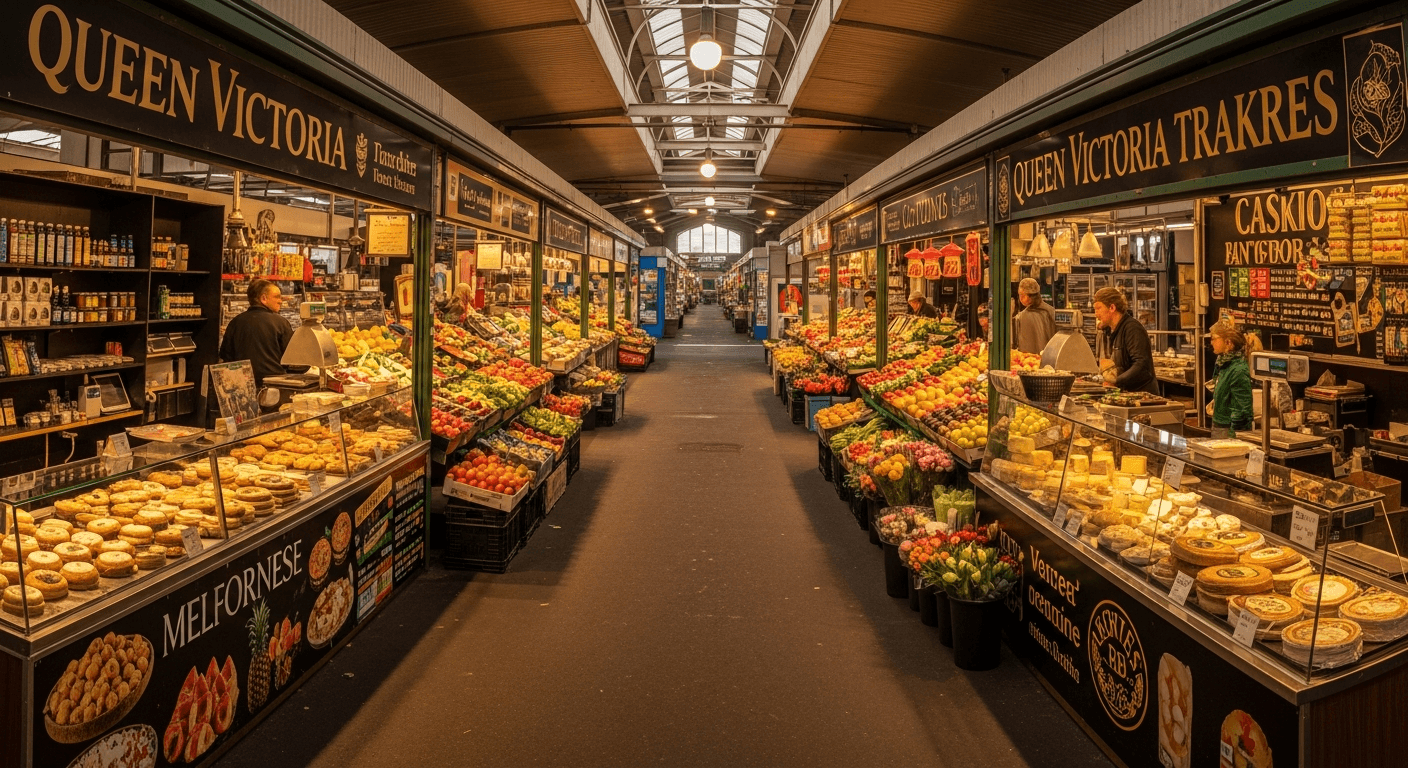
Melbourne has a way of making budget travel feel less like a compromise. A good day here can be built from free galleries, historic markets, gardens, laneway walks, cheap meals and a sunset stop by the bay. You do not need to spend heavily to feel the city.
The trick is planning your stops sensibly. Melbourne can be cheap if you group attractions by area, use the Free Tram Zone where it helps, eat at markets or casual neighbourhood spots, and avoid paying for convenience every time the group needs to move. If you are travelling with family, friends, a school group, a club or visiting relatives, Melbourne minibus hire can also be a frugal choice once the cost is shared across enough passengers.
Getting Around Melbourne Without Overspending
Melbourne is one of the easier Australian cities to explore on a budget. The CBD is walkable, trams cover the central grid, and the Free Tram Zone helps visitors move between places such as Federation Square, Queen Victoria Market, Docklands, Southern Cross Station and major shopping streets without paying for short city hops.
Before you set a daily transport budget, check current myki fares, youth travel rules and concession settings. Public transport pricing can change, and the right fare or pass can make a noticeable difference for families, students and groups spending several days in Melbourne.
Public transport is usually the cheapest option for one or two people. For groups, the calculation changes. If eight, ten or twenty people are trying to move between accommodation, markets, gardens, St Kilda, Southbank and dinner in another suburb, a single minibus can save time and reduce the hassle of coordinating multiple tickets, rideshares or cars.
The smartest approach is not to use a minibus for every tiny CBD movement. Walk or tram within the central city, then use a shared vehicle for the bigger loops: airport pickups, accommodation transfers, St Kilda evenings, bayside stops, suburban dining, or a full day that strings together attractions across different parts of Melbourne.
Budget-Friendly Accommodation
Accommodation is often the biggest expense in Melbourne, so choose the room style before choosing the hotel. If you can self-cater breakfast, share an apartment, stay close to rail, or avoid peak event weekends, the savings add up quickly.
ibis Melbourne Hotel And Apartments
ibis Melbourne Hotel and Apartments remains a practical choice for travellers who want a central stay without paying luxury rates. Its location near Queen Victoria Market is useful for frugal visitors because you can pick up fruit, bread, snacks and casual meals nearby instead of eating every meal in restaurants.
The apartment-style rooms are especially helpful for families and small groups. A kitchenette means breakfast can be simple, leftovers do not go to waste, and everyone has a place to pause between outings. If you are using a minibus, it also gives the group a clear central pickup point close to the CBD.
Causeway 353 Hotel
For travellers who want a central laneway stay, Causeway 353 Hotel is a practical current option. It sits in Equitable Place off Little Collins Street, close to shops, laneways, trams, trains and the kind of city wandering that costs nothing.
For budget travellers, staying in the middle of the city can sometimes save more than it costs. If you can walk to breakfast, galleries, the library, the market and the tram, you spend less time and money getting started each day.
Hotel Claremont Guest House
Hotel Claremont Guest House in South Yarra suits travellers who want something simple, characterful and close to public transport. South Yarra Station is nearby, which keeps the CBD within easy reach, and the area has plenty of casual food options.
This is the kind of place to consider when you are happy to trade hotel polish for value and location. It can work well for visitors who plan to be out most of the day and mainly need a clean, well-connected base.
City Centre Budget Hotel
City Centre Budget Hotel on Little Collins Street is a no-frills city option with one major advantage: location. It puts you close to Parliament, Spring Street, theatres, Chinatown, Fitzroy Gardens and the east end of the CBD.
The trade-off is simplicity. Budget hotels in older city buildings may have stairs, compact rooms, limited reception hours or shared facilities, so check the details before booking, especially if your group has heavy luggage or mobility needs. Cheap is only good value when it still suits the people travelling.
Free And Low-Cost Melbourne Attractions
Melbourne's best budget days usually mix one paid highlight with several free stops. That way, the day feels full without every person paying entry fees three or four times.
Royal Botanic Gardens Melbourne
The Royal Botanic Gardens Melbourne is one of the easiest free wins in the city. Spread across about 38 hectares, it has lakes, lawns, shaded paths, more than 8,500 plant species and quiet corners where a group can slow down without spending a cent.
It is ideal for picnics, gentle walks, family outings and visitors who need a break from traffic and shopping streets. Pair it with the Shrine of Remembrance for free city views, or with Southbank and the Yarra for a longer walking route. If your group has mixed ages, this is a useful stop because people can move at their own pace.
Hellenic Museum
The Hellenic Museum, housed in the former Royal Mint building on William Street, is a more specialised cultural stop. It is dedicated to Greek history, art and culture, and it suits travellers with an interest in ancient history, the Greek-Australian community or smaller museums.
For strict budgets, compare it with Melbourne's free museums and galleries before committing. For the right group, though, it can be good value because it offers a focused experience close to the CBD and public transport.
St Kilda Penguins
St Kilda's little penguins remain one of Melbourne's most memorable low-cost experiences. The penguins nest around the breakwater at the end of St Kilda Pier and are usually associated with dusk viewing, when they return from feeding in Port Phillip Bay.
The important part is to treat the experience as wildlife viewing, not a casual free-for-all. Visitors need to follow current access arrangements, stay on designated boardwalks or viewing areas, keep back from the penguins, and avoid flash photography, torches or phone lights. Viewing systems can change to protect the colony, including free ticketing or managed sessions, so check the latest official guidance before planning your evening.
For groups, St Kilda is best treated as a whole outing rather than a quick stop. Arrive early enough for the foreshore, beach, pier, dinner or snacks nearby, then finish with the penguins if viewing is available. A minibus is useful here because the group can leave together after dark instead of splitting across trams and rideshares.
Melbourne Skydeck
Melbourne Skydeck at Eureka Tower gives you the classic high view over the city, the river, the bay and the suburbs. It is not the cheapest attraction in Melbourne, so it belongs in the “choose one paid highlight” category rather than the core frugal list.
If your group really wants the skyline moment, book the simplest suitable ticket and check current prices before committing. If the budget is tight, the Shrine of Remembrance, bridges over the Yarra, rooftop bars with no cover charge, and hillier park viewpoints can still give you strong city views without the same entry cost.
More Free Melbourne Stops Worth Adding
The National Gallery of Victoria is one of the strongest budget attractions in the city, with free general entry to major permanent collections and paid tickets only for selected exhibitions. ACMI at Federation Square also has free general-entry screen culture displays, making it a good stop for film, games and media fans.
State Library Victoria is another excellent free visit. The La Trobe Reading Room is beautiful, the exhibitions are usually easy to enjoy without much planning, and the location opposite Melbourne Central makes it simple to combine with trams, shopping streets or Chinatown.
Queen Victoria Market is free to enter and useful even if you buy very little. Walk the sheds, pick up picnic supplies, compare lunch options and let the group browse without needing a formal ticket. Fitzroy Gardens, Carlton Gardens, the Royal Exhibition Building exterior, Federation Square, Hosier Lane and other laneways can all be woven into a low-cost city day.
Cheap Dining In Melbourne
Melbourne is kind to travellers who like casual food. The best budget meals are often found in markets, laneways, bakeries, dumpling houses, student-friendly streets and multicultural suburbs rather than in major tourist strips.
Purple Peanuts Japanese Cafe
Purple Peanuts Japanese Cafe near Southern Cross Station remains a handy budget option for travellers moving through the west end of the CBD. It is casual, quick and useful for rice bowls, sushi-style snacks and Japanese comfort food that does not need a long sit-down meal.
For groups arriving by train or staying near Docklands, Southern Cross or Collins Street, it is the sort of simple food stop that keeps the day moving.
Trippy Taco
Trippy Taco is still worth a stop, but the reliable choice is the Fitzroy location on Gertrude Street. It is vegetarian, casual and well suited to travellers looking for a filling meal without spending restaurant money.
Fitzroy also gives you more than one cheap-eats option. A group can wander Gertrude Street, Brunswick Street and nearby lanes for tacos, bakeries, falafel, noodles, pizza, coffee and vintage shopping without needing a tightly planned meal.
Markets And Food Precincts
Queen Victoria Market and South Melbourne Market are two of the easiest places to eat affordably while still feeling like you are experiencing Melbourne. You can buy one proper meal, share snacks, pick up fruit, or collect picnic supplies for the gardens.
Chinatown around Little Bourke Street is a strong choice for dumplings, noodles, roast meats, rice dishes and late meals. Footscray is another excellent option, especially for Vietnamese food, African restaurants, bakeries and casual meals that feel more local than touristy. Brunswick and Richmond also work well for groups that like variety and do not mind eating simply.
The safest frugal rule is this: choose precincts, not just single restaurants. Individual venues change, but areas like Chinatown, Footscray, Queen Victoria Market and South Melbourne Market keep offering affordable options even when one business closes or rebrands.
What To Skip Or Treat Carefully
Budget dining changes quickly in Melbourne. Some once-cheap places close, move, become event-only, or stop fitting a visitor's route. Biggie Smalls is better treated as an occasional pop-up or event-food name rather than a dependable central Melbourne budget stop. Slice Girls West should not be planned around as a current Footscray meal option.
That does not leave you stuck. Head for reliable food areas and current casual favourites instead of chasing a business that may no longer trade in the same way.
A Simple Frugal Melbourne Day
Start with Queen Victoria Market for breakfast, coffee or picnic supplies. From there, use the Free Tram Zone or walk towards State Library Victoria, Melbourne Central and the CBD laneways.
Spend the middle of the day around Federation Square, ACMI, NGV or the Yarra, depending on the group's interests. If the weather is good, continue towards the Royal Botanic Gardens and the Shrine of Remembrance for free green space and city views.
In the late afternoon, choose one direction. Stay central for Chinatown or Fitzroy cheap eats, or use your minibus to head to St Kilda for the foreshore and possible penguin viewing. This keeps the spending low while still giving the day shape: market, culture, gardens, food and the bay.
When Minibus Hire Becomes The Frugal Choice
For two people, public transport and walking will usually be cheaper. For a larger group, the value of a minibus comes from sharing the cost and saving time.
A single 7-seat people mover may suit a family or small visitor group. An 11-seat mini bus or 13-seat mini bus works well when everyone wants to stay together with bags, picnic supplies or children. Larger groups can look at a 20-seat mini bus, 21-seat mini bus or 24-seat mini bus depending on the day plan.
The best value comes from using the vehicle for what public transport does not do easily: airport transfers, accommodation pickups, St Kilda after dark, multi-stop days, elderly passengers, young children, luggage, or routes that jump between suburbs. You can also check the Minibus Hire fleet before deciding whether your group needs a people mover, mini bus or larger vehicle.
Final Budget Tips
Book accommodation early if you are travelling during the Australian Open, Grand Prix, school holidays, AFL finals, major concerts or long weekends. Melbourne prices can jump quickly when the city is full.
Build each day around clusters. A CBD day, a gardens-and-Southbank day, a St Kilda evening, and a Fitzroy-or-Footscray food outing will cost less and feel easier than crisscrossing the city without a plan.
Carry layers, because Melbourne weather changes quickly. Bring a refillable bottle, leave room for market meals, and check current opening times before you promise the group a specific attraction.
If you are organising travel for a family, club, school group, church group, sports team or visitors from overseas, use Minibus Hire's quote form to compare vehicle options. The FAQ can answer common planning questions, and you can contact the team if your itinerary has unusual timing, luggage or access needs.
Melbourne is still generous to travellers who know where to look. Spend on the few things that matter to your group, keep the rest simple, and let the city's markets, gardens, galleries, laneways and waterfront do most of the work.