
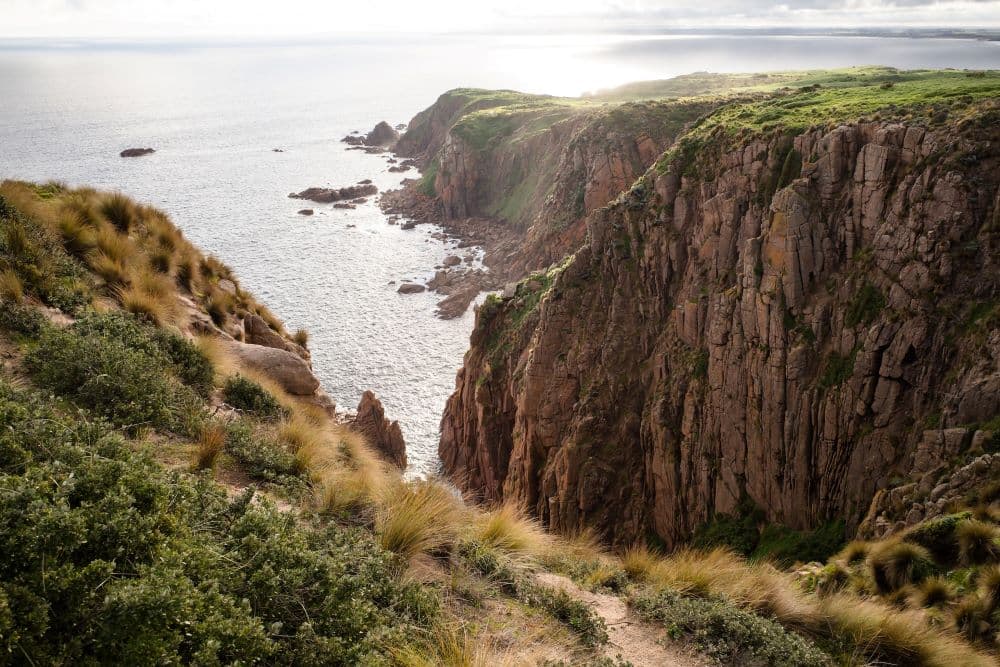
Melbourne is famous for coffee, galleries, laneways and late dinners, but the city has a softer natural side that is easy to miss if you stay too close to the CBD. Gardens, lakes, beaches, wetlands, ranges, wildlife parks and coastal roads all sit within reach, giving nature lovers plenty of ways to turn a simple day out into something memorable.
For groups, the challenge is usually distance. Melbourne's best nature days can send you south-east to the Dandenongs, west to Werribee, out to Phillip Island, down the Great Ocean Road or across the bay to Williamstown and Brighton. With Melbourne minibus hire, everyone can travel together, carry the picnic gear, keep the walking shoes and camera bags in one place, and enjoy the day without forming a convoy of cars.
Here are some of the best Melbourne days out for nature lovers.
Royal Botanic Gardens Melbourne
Royal Botanic Gardens Melbourne is still one of the best places to start. It gives you nature in the heart of the city: wide lawns, shaded paths, the Ornamental Lake, old trees, themed landscapes and quiet corners where Melbourne suddenly feels far less busy.
The gardens cover around 38 hectares and are home to more than 8,500 plant species, which makes them a strong choice for plant lovers, photographers, seniors, families, walking groups and visitors who want a gentle introduction to Melbourne's natural side. You can keep the visit simple with a slow walk and a picnic, or add a guided experience if your group wants more structure.
It is also one of the easiest options for mixed-mobility groups. Many paths are accessible, there are toilets and visitor facilities, and the gardens sit close to the city, Southbank, the Shrine of Remembrance and the Yarra River. For a half-day nature outing, it pairs naturally with Albert Park or Yarra Bend Park.
Dandenong Ranges
The Dandenong Ranges give Melbourne nature lovers a proper forest day without needing to disappear deep into regional Victoria. Think tall trees, fern gullies, cool air, birdlife, small villages and the sense that the city has been left behind.
The 1000 Steps, also known as the Kokoda Track Memorial Walk, remains one of the best-known walks in the area. It is beautiful, but it is also steep and popular. It suits fit walkers more than seniors, prams or anyone looking for a relaxed stroll. For mixed-age groups, choose gentler forest walks, picnic areas, villages such as Sassafras or Olinda, or a Puffing Billy Railway outing from Belgrave.
Weather matters in the ranges. Tracks can become slippery after rain, parking fills quickly on busy days, and bushfire conditions can affect access in summer. A minibus helps by keeping the group together, making early starts easier and giving everyone a comfortable ride back after a long walk.
Phillip Island
Phillip Island is one of Victoria's strongest wildlife days out. The Penguin Parade, Koala Conservation Reserve, Nobbies boardwalks, Seal Rocks views and rugged coastline make it a natural fit for families, visitors, school groups, photographers and anyone who wants wildlife with a real sense of place.
The island is especially rewarding because the experience changes through the day. Coastal walks and lookouts work well in the afternoon, while the Penguin Parade is built around sunset. That timing is also the reason Phillip Island needs proper planning. It is not a quick stop; it is a full-day outing with a late return to Melbourne.
Book key wildlife experiences ahead, arrive with time to spare, and follow viewing rules carefully. Little Penguins are wild animals, so no one should use flash photography, leave paths, crowd wildlife or expect the animals to perform on a schedule. The best Phillip Island days are patient, respectful and well timed.
For group travel, a minibus removes a lot of the fatigue from the long return journey. Everyone can rest after the parade while the driver handles the road back to Melbourne.
Brighton Beach
Brighton Beach is lighter nature than wilderness, but it still deserves a place if your group wants a relaxed bayside stop. The colourful bathing boxes at Dendy Street Beach, Port Phillip Bay views, sand, sea air and walking paths make it a pleasant photo stop or short coastal break.
It works best as part of a bayside route rather than the whole day. You might combine it with Williamstown Botanic Gardens, Albert Park or another city-and-bay stop. For families and social groups, it gives the day a bit of colour and easy scenery without asking too much from anyone.
Parking and beach access can be busy, especially in warm weather, so a planned drop-off and pickup is easier than sending several cars to hunt for spaces. Bring sun protection and keep swimming plans realistic for the group's age, confidence and supervision needs.
Yarra Valley
The Yarra Valley is often treated as wine country first, but nature lovers should not overlook it. The region gives you rolling hills, river valleys, open views, gardens, wildlife experiences and soft morning light that photographers love.
For adult groups, wineries and cellar doors can be part of the appeal, but they do not have to be the whole story. The Yarra Valley also works for scenic drives, produce stops, picnics, garden visits and wildlife-focused days. If wine tasting is involved, shared transport is the obvious choice because nobody in the group needs to worry about driving.
The valley also pairs beautifully with Healesville Sanctuary. That combination gives nature groups a stronger wildlife and conservation focus, while still leaving room for lunch, views and a relaxed regional pace.
Healesville Sanctuary
Healesville Sanctuary is one of the best additions to a Melbourne nature-lover itinerary because it focuses on Australian wildlife in a bushland setting. For visitors who want native animals rather than a general zoo day, it offers a clear reason to head into the Yarra Valley.
It suits families, schools, senior groups, international visitors and community groups because the experience is structured, accessible and educational. Rather than chasing wildlife sightings in the wild, groups can learn about native species and conservation in a setting designed for visitors.
As with any wildlife stop, check bookings and visitor information before the day. A minibus works well here because Healesville is far enough from Melbourne that shared transport makes the day calmer, especially if you add a Yarra Valley lunch or scenic stop.
Werribee Open Range Zoo
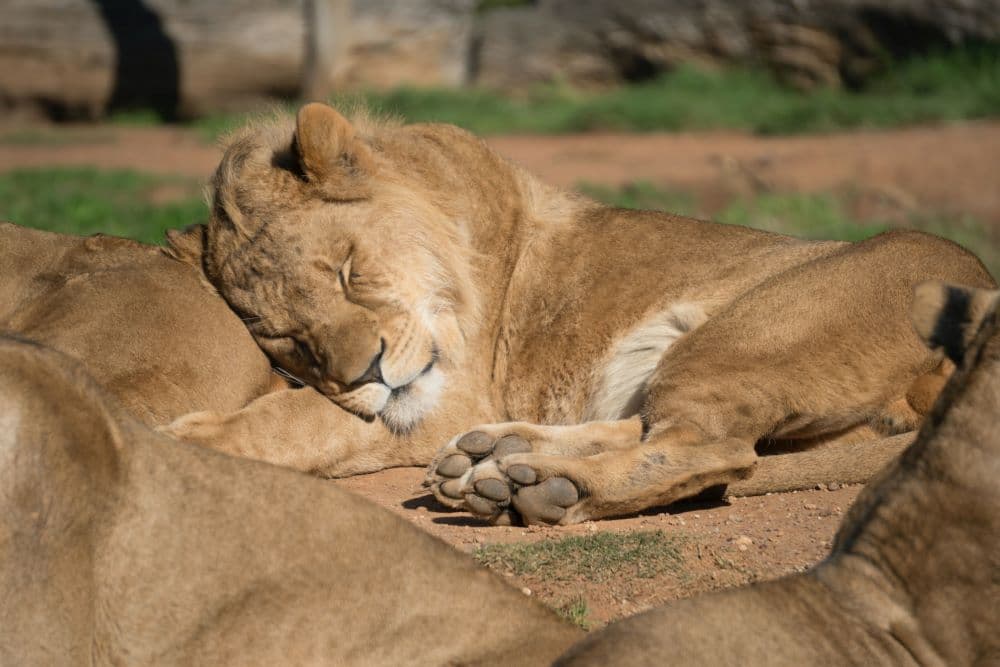
Werribee Open Range Zoo brings a different kind of wildlife day to Melbourne. Instead of a dense city-zoo layout, the open-range setting gives groups the feeling of a safari-style visit, with animals such as giraffes, zebras, rhinos and antelopes viewed in broad, open landscapes.
It is a strong choice for families, schools, seniors and social groups because the day has a clear structure. The safari experience, walking paths, visitor facilities and conservation focus make it more than a quick animal stop.
For group planners, Werribee is also practical. It sits west of Melbourne, has visitor infrastructure and works well as a half-day or full-day outing depending on the group. Pair it with Williamstown, the western suburbs or a relaxed lunch if you want to make more of the trip.
Melbourne Zoo
Melbourne Zoo is the easiest wildlife option for groups staying close to the city. Located in Royal Park, it gives families, school groups and visitors a full wildlife day without a long regional drive.
It is not wilderness, and it should not be framed that way. Its strength is accessibility: varied animal habitats, conservation education, wide paths, visitor facilities and a location that works well for groups with younger children or members who do not want a full day on the road.
For a simple nature-and-wildlife route, Melbourne Zoo can pair with Royal Botanic Gardens Melbourne, Albert Park or Yarra Bend Park. That kind of day suits groups that want nature, animals and open space while staying close to central Melbourne.
Williamstown Botanic Gardens
Williamstown Botanic Gardens are smaller and quieter than Melbourne's main botanic gardens, but that is part of their charm. Opened in 1860 and set close to the bay, they offer heritage garden character, mature trees, lawns, paths, an ornamental pond and easy access to the Williamstown foreshore.
This is a good stop for seniors, gentle walking groups, families, heritage lovers and photography groups. It is also a natural picnic choice, especially if your group wants to combine garden time with sea air and a walk near the beach.
You can reach Williamstown by road, train or ferry, but for a group carrying picnic gear, prams or mobility aids, a minibus keeps the day simple. It also makes it easier to combine Williamstown with Brighton Beach, Werribee Open Range Zoo or another western-bayside stop.
Royal Botanic Gardens Cranbourne
Royal Botanic Gardens Cranbourne gives nature lovers a different side of botanic Melbourne. Where Melbourne Gardens feel lush and historic, Cranbourne puts Australian landscapes and native plants at the centre.
The wider site covers around 363 hectares, with the Australian Garden, bushland, walking tracks, native flora and open spaces that suit groups interested in plants, ecology, photography and quieter walks. It is a strong option for anyone who wants a more distinctly Australian garden day.
For school groups, garden clubs, seniors and community groups, Cranbourne can be easier to shape into a dedicated outing than a quick add-on. It sits well outside the CBD, so shared transport helps with timing, parking and keeping everyone together.
Albert Park
Albert Park is a central, easy-access nature break rather than a dramatic escape. Its 225 hectares of parkland, lake, walking tracks, birdlife and open views make it useful for groups that want fresh air without leaving Melbourne behind.
The lake circuit is popular with walkers, runners and cyclists, while the lawns and picnic areas suit families, seniors and social groups. Birdwatchers can often enjoy waterbirds around the lake, and photographers get a mix of water, skyline and parkland views.
It is best used as part of a relaxed city nature route: Royal Botanic Gardens Melbourne in the morning, Albert Park for a lake walk, and perhaps Brighton or St Kilda if the group wants a bayside finish.
Great Ocean Road
The Great Ocean Road is unmissable for many nature lovers, but it deserves honest framing. This is not a casual Melbourne afternoon. Reaching the Twelve Apostles area from Melbourne is often four hours or more each way depending on route, stops and traffic. It is a long regional road trip with big rewards: the Twelve Apostles, Loch Ard Gorge, coastal cliffs, beaches, forested sections and the rainforests of Great Otway National Park.
For photography groups, international visitors, social groups and nature lovers who are ready for a long day, it can be unforgettable. The key is to keep the itinerary realistic. Choose the main stops, leave early, allow time for weather and traffic, and avoid trying to squeeze every lookout into one day.
This is where a minibus with a driver earns its keep. Passengers can watch the coast, talk, nap between stops and enjoy the road itself without exhausting several volunteer drivers. For some groups, an overnight plan may be more comfortable than a single long return day.
Easy Nature Routes Around Melbourne
For a city gardens and lake day, combine Royal Botanic Gardens Melbourne, Albert Park and Yarra Bend Park. This suits seniors, families, low-impact walking groups and visitors who want nature without a long drive.
For a bayside nature day, visit Williamstown Botanic Gardens, Brighton Beach and a foreshore lunch stop. This route is relaxed, photogenic and easy to adjust around weather.
For a forest day, head to the Dandenong Ranges. Fit groups can tackle the 1000 Steps, while mixed-age groups may prefer Puffing Billy, gardens, villages and gentler forest walks.
For a wildlife day, choose Werribee Open Range Zoo, Melbourne Zoo or Healesville Sanctuary depending on the group's location, interests and appetite for travel. For a big wildlife-and-coast day, plan around Phillip Island and the sunset timing of the Penguin Parade.
For a long scenic road trip, choose the Great Ocean Road and keep the day focused. A few excellent stops are better than a rushed list that leaves everyone tired before the return drive.
Planning Tips For Nature Lovers
Nature days are easiest when the group plans for conditions rather than assuming the weather will cooperate. Forest tracks can be slippery after rain. Coastal stops can be windy and exposed. Summer heat and fire danger can affect parks, especially in forested or grassland areas. Wildlife experiences may depend on time of day, season and animal behaviour.
Pack water, hats, sunscreen, walking shoes and layers. Check official park or attraction updates before leaving. If the outing includes children, schools or youth groups, set boundaries early and keep supervision clear around beaches, trails, roads, lookouts and wildlife.
For wildlife, keep the approach respectful. Stay on paths, avoid feeding animals, keep distance, follow staff instructions and treat sightings as a privilege rather than a guarantee.
Using Melbourne Minibus Hire For Nature Days Out
Melbourne nature trips often involve more than one stop, and many of the best places sit well outside the CBD. A minibus keeps the group together and makes the practical details easier: picnic baskets, eskies, prams, camera gear, walking poles, mobility aids, jackets and bags all travel in one vehicle.
Smaller groups may suit a 7 seat people mover. Families, photography groups and small social groups can look at an 11 seat minibus or 13 seat minibus.
Larger groups, school outings, senior clubs and full-day regional trips may prefer a 20 seat minibus, 21 seat minibus or 24 seat minibus. You can also review the full Minibus Hire fleet before choosing.
When requesting a quote, include your route, passenger count, pickup points, walking or mobility needs, picnic gear, luggage and whether the outing includes a late return from Phillip Island or a long Great Ocean Road day. The FAQ can help with common planning questions.
To organise a Melbourne nature day out, use the Minibus Hire quote form or contact the team with your itinerary. Melbourne has the gardens, the ranges, the bay, the wildlife and the great road trips. A good transport plan gives your group more time to enjoy them.