
Sydney is one of Australia's best classrooms outside the classroom. A school group can move from animals to ancient cultures, from harbour architecture to coastal ecology, from courtroom history to botany, all in the same city.
The challenge is not finding places to visit. The challenge is building a day that teachers can supervise properly, students can enjoy, and the school office can approve. That means curriculum fit, booking windows, toilets, lunch space, accessibility, risk assessment and transport all need to line up. With Sydney minibus hire, a school group can move between venues with one clear plan instead of losing time across multiple public transport transfers.
Taronga Zoo Sydney
Taronga Zoo remains one of Sydney's strongest school excursion choices because the learning is immediate. Students are not only hearing about habitats, adaptations, conservation and biodiversity; they are seeing living examples in front of them.
The zoo offers school programs and self-guided options across age groups, with curriculum links around science, geography, sustainability, animal behaviour and conservation. Younger students can connect animals to habitats and needs, while older students can look more closely at ecosystems, biodiversity, threatened species and human impact.
Taronga is a large, outdoor site with hills, paths, busy viewing areas and plenty of excitement, so supervision planning matters. Book school visits ahead, check teacher resources and risk information, and confirm access needs before the day. A minibus or mini-coach is useful because the group can arrive together at the main entrance, manage bags and lunches in one place, and avoid splitting students between cars, ferries and buses.
Australian Museum
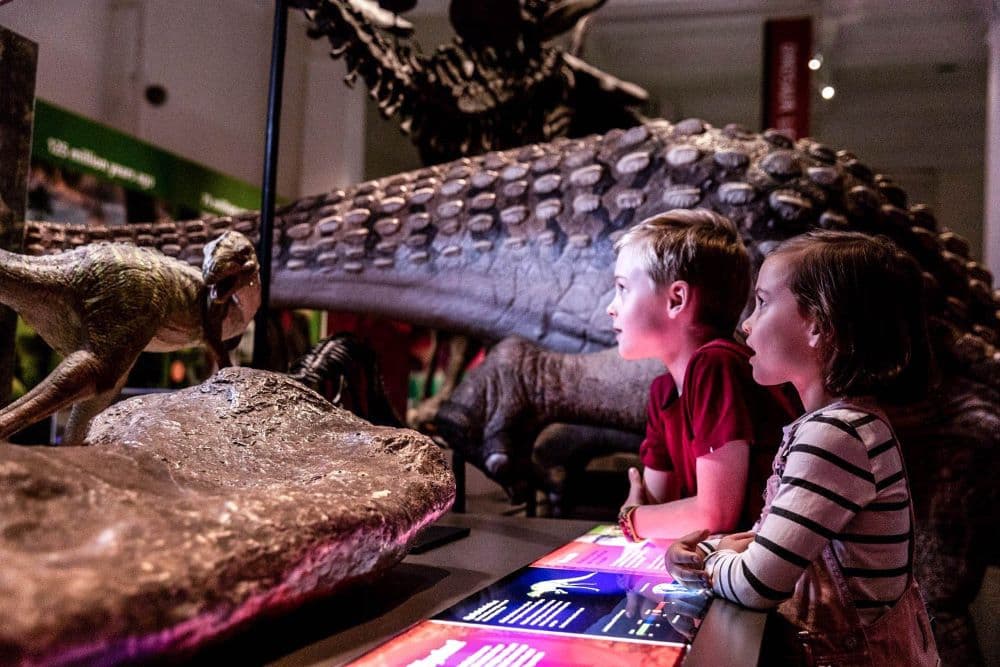
The Australian Museum is an easy winner for science, history and culture. It is central, well established, and strong for school groups because it brings natural history, First Nations learning, Pacific cultures, dinosaurs, minerals, biodiversity and changing exhibitions into one place.
Self-guided school visits can work well, especially when teachers have a clear worksheet or focus question. Educator-led programs are better when the class needs a structured learning outcome or a deeper link to a unit of work.
The museum is also practical. It sits near Hyde Park and St Mary's Cathedral, making lunch and supervision easier than at some more spread-out sites. School groups should still book in advance, confirm arrival instructions, split larger cohorts where needed, and plan where bags and lunches will go.
Sydney Observatory
Sydney Observatory is still a special place for astronomy and Sydney history, but it needs more careful planning than a simple "space excursion" label suggests. Heritage works and limited access mean it should not be treated as a simple, high-capacity daytime school venue without checking current programs.
For the right class, the Observatory can still support learning around space, telescopes, navigation, timekeeping, colonial science and First Nations sky knowledge. It is particularly appealing for older primary and secondary students when a relevant tour or program is available.
Do not build the whole excursion around a 3D space theatre or planetarium-style experience unless you have confirmed that exact program for your date. Check current Powerhouse/Sydney Observatory listings, group capacity, timing, accessibility and weather conditions before booking transport.
The Rocks Discovery Museum And Heritage Precinct
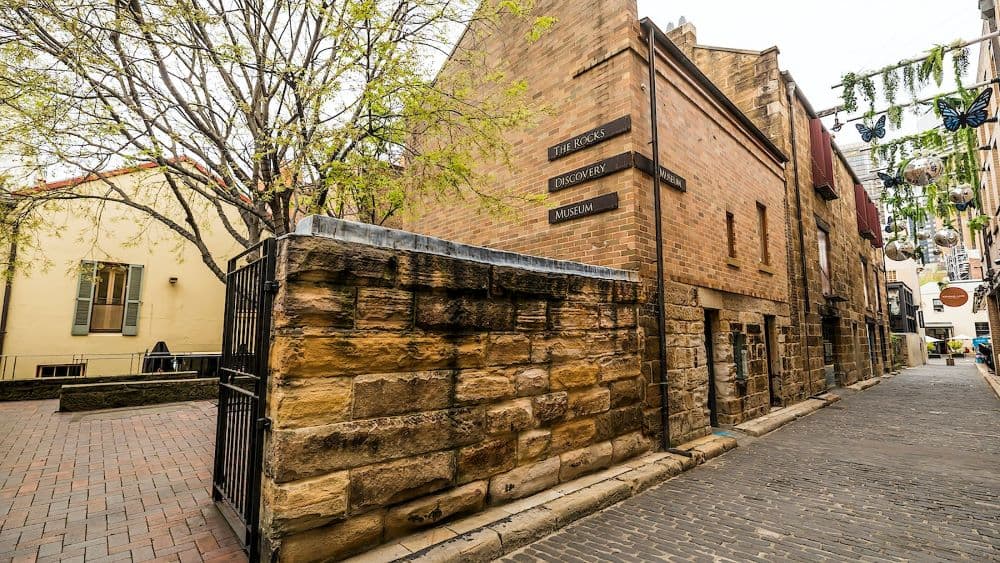
The Rocks gives students a physical sense of early Sydney: sandstone buildings, narrow lanes, harbour trade, Aboriginal history, colonial settlement and archaeology. The Rocks Discovery Museum can be a useful free stop for smaller groups or a short heritage add-on.
Because it is compact, it works best when the visit has a clear purpose. Teachers might use it as part of a walking investigation, a history worksheet, or a broader Circular Quay and The Rocks itinerary.
The surrounding precinct has uneven surfaces, stairs, crowds and traffic crossings, so it is not the easiest place for every school group. For younger students or students with mobility needs, keep the route short and choose flatter sections. For older students, a guided heritage walk can turn the area into a strong place-based history lesson.
Sydney Opera House
The Sydney Opera House gives students a rare combination of architecture, engineering, design, performance, history and place. It is one of the most recognisable buildings in the world, but it is also a working arts venue with school tours, performances and creative learning programs.
A school visit can connect to creative arts, music, drama, design, STEM, history and Aboriginal and Torres Strait Islander perspectives connected to Bennelong Point. Some schools may attend a performance; others may focus on a tour and the building's design story.
Teachers should book through the Opera House schools channels and read access notes carefully. Some tour routes involve a lot of walking and stairs, and security or bag rules can affect timing. Allow enough time between minibus drop-off and the start of the program, especially around Circular Quay, where crowds build quickly.
Kamay Botany Bay National Park
For outdoor environmental learning, make Botany Bay specific. Kamay Botany Bay National Park, especially through the Kamay Botany Bay Environmental Education Centre, gives schools a clearer excursion focus than a general "Botany Bay" label.
The area supports learning around coastal environments, First Contacts history, Aboriginal perspectives, geography, science, fieldwork, wetlands, water and human impact. It is a strong choice when students need to get out of the classroom and collect observations in a real landscape.
Because this is an outdoor national park setting, planning is important. Think sun protection, enclosed shoes, water, wet-weather backup, lunch, toilets, supervision and bus timing. It is also further from central Sydney than many CBD attractions, so a dedicated minibus helps keep the day on schedule.
Art Gallery Of New South Wales
The Art Gallery of New South Wales is a strong school excursion for visual arts, history, culture, English, Aboriginal studies and creative thinking. The expanded gallery precinct gives teachers more ways to connect students with Australian, international, contemporary and First Nations art.
A self-guided visit can work for older or focused groups, but educator-led tours and workshops are useful when the school wants a clearer curriculum outcome. Students can examine materials, symbols, identity, story, cultural context and how artists respond to the world around them.
The gallery is close to the Royal Botanic Garden, the Domain, St Mary's Cathedral and the Australian Museum, so it fits neatly into a city learning day. Book group visits or guided sessions in advance, plan lunch outside the gallery spaces, and confirm access needs if any student requires step-free routes or extra support.
Sydney Olympic Park
Sydney Olympic Park is more than a sports legacy site. It is a large education precinct with wetlands, parklands, sporting venues, urban planning lessons and sustainability stories.
For school groups, it can support geography, science, PDHPE, sustainability, biodiversity, urban design and fieldwork. The scale of the precinct is part of the lesson: students can see how major event infrastructure, open space, transport, habitat restoration and community use fit together.
It is also a place where a minibus can be especially useful. Sites across Olympic Park are spread out, and walking between them can take more time than teachers expect. A dedicated vehicle helps move students between fieldwork points, sporting venues and lunch areas without burning the whole day in transit.
Justice And Police Museum
The Justice and Police Museum suits older primary and secondary students who are ready for law, justice, policing, crime, courts and civic history. The setting itself makes the learning feel real: old courtrooms, holding cells and police stories carry more weight than a textbook paragraph.
It is best used deliberately rather than as a generic history stop. Legal Studies, Commerce, History and civics-focused classes may get the most from it, especially where a booked education program, mock trial or structured visit is available.
Because the subject matter can involve crime and punishment, teachers should check program suitability for the year level. Accessibility can also be more complex in heritage buildings, so confirm routes and support needs before booking.
Royal Botanic Garden Sydney
The Royal Botanic Garden Sydney gives schools a calm but rich outdoor learning environment beside the harbour. Programs can connect to plant science, biodiversity, sustainability, geography, First Nations plant knowledge and environmental change.
It is also one of the easiest stops to pair with other city venues. A class can visit the Australian Museum, Art Gallery or Opera House, then use the garden for a science session, lunch break or reflective walk.
Outdoor learning still needs structure. Book educator-led programs in advance, check meeting points, bring hats and water, and have a plan for rain or extreme heat. For younger students, keep the walking route simple and build in toilet breaks.
More Sydney Excursion Ideas
If your school wants a water, trade or migration angle, the Australian National Maritime Museum is worth considering. For marine science and ocean literacy, SEA LIFE Sydney Aquarium can work well, especially for younger students or wet-weather planning.
Hyde Park Barracks can support colonial history and social history. Barangaroo Reserve can support harbour, place and Aboriginal cultural learning when visits are planned through appropriate programs. Centennial Parklands is useful for outdoor learning, nature studies and active days.
Choose additions by curriculum, not by trying to fit everything into one excursion. A good school day should have a clear learning purpose and enough space for students to actually absorb it.
Building A Smart School Excursion
A simple science day might combine the Australian Museum with the Royal Botanic Garden. A culture and arts day could pair the Art Gallery of New South Wales with the Sydney Opera House. A history day might focus on The Rocks, the Australian Museum or Justice and Police Museum. An environmental fieldwork day could head to Kamay Botany Bay or Sydney Olympic Park.
The best itineraries avoid cramming too many venues into one day. Two strong stops are usually better than four rushed ones, especially when you factor in toilets, lunch, headcounts, traffic and students moving through public spaces.
Before confirming the excursion, check:
- Curriculum purpose and year level.
- Venue booking deadlines.
- Student numbers and supervision ratios.
- Accessibility and additional support needs.
- Wet-weather or heat plans.
- Lunch, toilets and bag storage.
- Risk assessment requirements.
- Exact drop-off and pickup points.
As a broad planning guide, many venues expect roughly one supervising adult for every 10 primary students or 15 secondary students, with tighter ratios for younger students or additional support needs. Always confirm the exact requirement with the venue and your school's excursion policy.
Why Minibus Hire Works For School Groups
School excursions run on timing and supervision. A minibus keeps the group together, reduces transfers, gives teachers one arrival plan, and makes it easier to move between venues that are not on the same public transport line.
Smaller extension classes or leadership groups may suit a 7-seat people mover. Compact class groups can look at an 11 seat minibus or 13 seat minibus. Larger classes, sports teams or mixed-year groups may be better suited to a 20 seat minibus, 21 seat minibus or 24 seat minibus.
You can also review the Minibus Hire fleet before planning the booking. Passenger count matters, but so do school bags, lunch tubs, equipment, wet-weather gear, mobility aids and how much space teachers need to supervise comfortably.
Planning Tips For Teachers
Once the venue booking is confirmed, lock in transport early. Popular excursion dates can fill quickly, especially in term time when multiple schools are chasing the same museum, zoo or gallery programs.
Share the final itinerary with teachers, office staff, parents and the transport provider. Include arrival times, pickup points, teacher contacts, student numbers and any accessibility notes. If your day has two or more venues, build in buffer time rather than assuming Sydney traffic will behave.
To plan school excursion transport, use Minibus Hire's quote form to match the vehicle to your student group. The FAQ can help with common planning questions, and you can contact the team if your excursion includes multiple venues, specialist equipment, access needs or strict arrival windows.
Sydney gives students lessons they can see, hear and remember. With the right venues and a clear transport plan, the city becomes a classroom that moves.